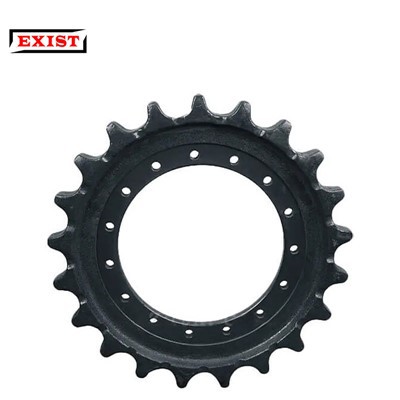
Hey there! As a sprocket supplier, I've been keeping a close eye on the industry for quite some time. And let me tell you, the future of sprockets is looking pretty exciting! In this blog post, I'll share with you some of the key trends that I think will shape the development of sprockets in the coming years.
1. Technological Advancements
One of the biggest drivers of change in the sprocket industry is technology. With the rapid advancement of manufacturing techniques and materials, we're seeing sprockets that are more durable, efficient, and precise than ever before.
Precision Manufacturing
CNC (Computer Numerical Control) machining has revolutionized the way sprockets are made. This technology allows for extremely precise cuts and shapes, resulting in sprockets that fit perfectly and operate smoothly. For example, we can now produce sprockets with very tight tolerances, which means less wear and tear on the chain and a longer lifespan for the entire system.
Advanced Materials
New materials are also playing a crucial role in the development of sprockets. High-strength alloys and composites are being used to create sprockets that can withstand higher loads and harsher environments. For instance, some sprockets are now made from materials that are resistant to corrosion, which is a huge advantage in industries such as marine and construction.

2. Customization
In today's market, customers are demanding more customized solutions. They want sprockets that are tailored to their specific needs and applications. As a supplier, we're seeing an increasing number of requests for custom-designed sprockets.
Application-Specific Design
Different industries have different requirements for sprockets. For example, the sprockets used in a conveyor system in a food processing plant need to be made from materials that are food-safe and easy to clean. On the other hand, the sprockets used in a heavy-duty mining equipment need to be extremely robust and able to handle high torque. We're working closely with our customers to understand their unique needs and design sprockets that are optimized for their specific applications.
Custom Sizes and Shapes
In addition to application-specific design, customers also often need sprockets in non-standard sizes and shapes. Thanks to modern manufacturing technologies, we can now easily produce custom-sized sprockets to meet these demands. Whether it's a sprocket with a unique tooth profile or a non-standard bore size, we can make it happen.
One of our popular custom sprockets is the 20Y-27-11581 Komatsu Excavator Sprocket Pc200 Sprocket. This sprocket is specifically designed for Komatsu excavators and is known for its high quality and durability.
3. Sustainability
Sustainability is becoming an increasingly important issue in the manufacturing industry, and the sprocket industry is no exception. Customers are looking for sprockets that are not only high-performing but also environmentally friendly.
Energy Efficiency
One way to make sprockets more sustainable is to improve their energy efficiency. By reducing friction and improving the overall design, we can make sprockets that require less energy to operate. This not only saves money for the customer but also reduces the environmental impact.
Recycling and Reuse
Another aspect of sustainability is recycling and reuse. We're exploring ways to recycle the materials used in sprockets at the end of their lifespan. Additionally, we're also looking into remanufacturing sprockets, which involves refurbishing used sprockets to like-new condition. This not only reduces waste but also provides a cost-effective alternative for customers.
4. Integration with Smart Technologies
The rise of the Internet of Things (IoT) and Industry 4.0 is having a significant impact on the sprocket industry. Sprockets are now being integrated with smart technologies to provide real-time monitoring and data analytics.
Condition Monitoring
By installing sensors on sprockets, we can monitor their condition in real-time. This allows us to detect early signs of wear and tear, as well as any potential issues such as misalignment or overloading. With this information, we can schedule maintenance proactively, which helps to prevent costly breakdowns and downtime.
Predictive Maintenance
In addition to condition monitoring, smart sprockets can also be used for predictive maintenance. Using data analytics and machine learning algorithms, we can predict when a sprocket is likely to fail and schedule maintenance accordingly. This not only improves the reliability of the equipment but also reduces maintenance costs.
5. Globalization
The sprocket market is becoming increasingly globalized. With the growth of international trade and the expansion of manufacturing operations around the world, we're seeing more competition as well as more opportunities.
Global Supply Chains
As a supplier, we're part of a global supply chain. We source materials from different countries and sell our products to customers all over the world. This requires us to have a good understanding of different markets and cultures, as well as the ability to manage logistics and transportation effectively.
Competition and Collaboration
The globalization of the sprocket market also means more competition. However, it also presents opportunities for collaboration. We're partnering with other suppliers, manufacturers, and research institutions to share knowledge and resources, which helps us to stay ahead of the competition and drive innovation in the industry.
Conclusion
In conclusion, the future of sprockets is full of opportunities and challenges. Technological advancements, customization, sustainability, integration with smart technologies, and globalization are all trends that will shape the development of sprockets in the coming years. As a sprocket supplier, we're excited to be part of this dynamic industry and are committed to providing our customers with the best products and services.
If you're in the market for sprockets, whether it's a standard sprocket or a custom-designed one, we'd love to hear from you. We have a wide range of sprockets to choose from, and our team of experts can help you find the perfect solution for your needs. So, don't hesitate to reach out and start a conversation about your sprocket requirements.
References
- "Sprocket Manufacturing Technologies: A Review", Journal of Manufacturing Engineering
- "The Impact of IoT on the Industrial Sprocket Market", Industry 4.0 Insights
- "Sustainable Manufacturing in the Sprocket Industry", Environmental Manufacturing Journal