


Hey there, folks! As a supplier of bucket points, I've seen firsthand the wonders these little tools can work, especially when it comes to soft soils. So, let's dive into the advantages of using a bucket point in soft soils.
1. Better Penetration
Soft soils, as the name suggests, are easily deformable. But that doesn't mean it's always a walk - in - the - park for heavy machinery to dig through them. A regular bucket might just glide over the surface or get bogged down quickly. Enter the bucket point.
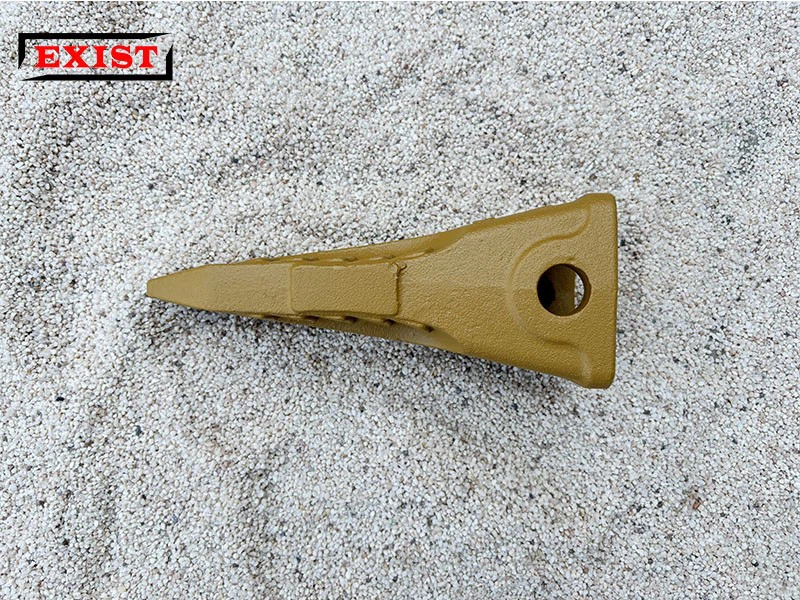
The sharp and pointed tip of a bucket point acts like a spear. It can effortlessly pierce through the soft soil. Imagine trying to dig a hole in a marshy area with a flat - edged tool; it would be a real struggle. But with a bucket point, the force is concentrated at the tip. This high pressure at the small contact area allows the point to break through the soil's natural cohesion and start the digging process smoothly.
For example, in a project where we were working on a construction site near a riverbank with soft, silty soil, the use of bucket points on our loaders was a game - changer. The machines could start digging right away, without having to waste time and energy trying to get a grip on the soil. And this is where our 1U3352RC Caterpillar Skid Steer Bucket Teeth Loader Bucket Teeth come in super handy. Their design is optimized for maximum penetration, making them perfect for tackling soft soils.
2. Reduced Soil Compaction
One of the big problems in working with soft soils is soil compaction. When heavy machinery moves over soft ground without the right equipment, it can compress the soil particles together. This reduces the soil's porosity, which in turn affects its ability to hold water and support plant growth if the area is later used for landscaping or agriculture.
Bucket points help to reduce soil compaction. Since they penetrate the soil more effectively, the overall pressure exerted by the machinery on the surrounding soil is spread out more evenly. The pointed tips sink into the soil, displacing it rather than smashing it down.
Let's say you're using a bucket with a wide, flat base on a soft field. The weight of the machine is concentrated over a large, flat area, causing significant compaction. But if you attach bucket points, the weight is distributed through these points, and the soil is disturbed in a more controlled way. Our 6I6602RC Bucket Teeth Replacement Teeth for Excavator Bucket are designed to have just the right balance of strength and shape to minimize soil compaction while still getting the job done.
3. Increased Efficiency
Time is money in the construction and excavation business. Using a bucket point in soft soils can significantly boost efficiency. With better penetration and reduced soil compaction, the machinery can move more freely and complete tasks faster.
When you don't have to fight with the soil to get the bucket in, you can make more passes in less time. This means that projects that would normally take days can be completed in a fraction of the time. For instance, in a small - scale excavation project for a septic tank installation in a soft, clay - rich soil, using bucket - pointed equipment allowed the workers to finish the job in half the time compared to using a regular bucket.
The 1U3252RC Tractor Bucket Teeth Cat Bucket Tip Excavator Teeth are a prime example of how a well - designed bucket point can increase efficiency. Their durability ensures that they can withstand the constant digging in soft soils without losing their edge, allowing for continuous and productive work.
4. Enhanced Material Handling
Soft soils often contain a lot of moisture, which can make the soil sticky. This stickiness can cause problems when trying to scoop and move the soil with a regular bucket. The soil may clump up and stick to the bucket, reducing its capacity and making it difficult to unload.
Bucket points are shaped in such a way that they can break up the sticky soil and prevent it from clumping. As the point penetrates the soil, it stirs up the soil structure, making it easier to load into the bucket. And when it's time to unload, the soil is less likely to stick because it hasn't been compacted into a solid mass.
In a dredging project in a muddy lake, where the soft, wet soil was extremely sticky, the use of bucket points on the dredging equipment made a huge difference. The operators could scoop up more soil with each pass, and the unloading process was much smoother, reducing downtime and increasing the overall productivity of the project.
5. Cost - Effectiveness
In the long run, using bucket points in soft soils can save you a lot of money. First of all, the increased efficiency we talked about earlier means that you can get more work done with the same amount of equipment and labor. This means a higher return on investment for your machinery.
Secondly, since bucket points reduce soil compaction and make the digging process easier, there is less wear and tear on the machinery. This translates to lower maintenance costs and a longer lifespan for your equipment. You won't have to replace parts as often, and you'll save on repair bills.

Finally, the reduced time to complete projects means that you can take on more jobs, increasing your revenue. So, investing in good - quality bucket points is definitely a smart move for any business involved in working with soft soils.
If you're in the market for top - notch bucket points for your soft - soil projects, don't hesitate to reach out. We're here to help you find the perfect bucket points that suit your needs. Whether you're working on a small landscaping project or a large - scale construction site, our range of bucket points can provide the solutions you're looking for. Contact us today to start discussing your requirements and let's get your projects moving smoothly!
References
- Brace, N. (2018). Soil Mechanics and Foundation Engineering. Butterworth - Heinemann.
- Holtz, R. D., Kovacs, W. D., & Sheahan, T. C. (2011). An Introduction to Geotechnical Engineering. Pearson.


