


Hey there! As a digger bucket teeth supplier, I often get asked the same question: "How long do digger bucket teeth last?" Well, there's no one - size - fits - all answer to this question, as it depends on a whole bunch of factors. In this blog, I'm gonna break down those factors and give you a better idea of what to expect when it comes to the lifespan of digger bucket teeth.
Factors Affecting the Lifespan of Digger Bucket Teeth
1. Type of Material Being Excavated
The stuff you're digging into plays a huge role. If you're working with soft materials like sand or loam, your bucket teeth are gonna have an easy time of it. They can last for ages, sometimes up to several thousand hours of operation. On the other hand, if you're dealing with hard rock, concrete, or abrasive gravel, the teeth are gonna take a real beating. In these harsh conditions, you might be lucky if they last a few hundred hours.
For example, when excavating in a sand quarry, the teeth are mainly just pushing the sand aside. There's not much wear and tear because sand is relatively soft and doesn't have sharp edges to grind away at the teeth. But when you're breaking up a rock formation, the constant impact and abrasion from the hard rock will quickly wear down the teeth.
2. Operating Conditions
The environment in which the excavator is working also matters. If the work site is wet, the teeth are more likely to corrode. Rust can weaken the metal and reduce the effectiveness of the teeth. High - temperature environments can also affect the hardness of the teeth. Extreme heat can cause the metal to expand and contract, which might lead to cracks and premature failure.
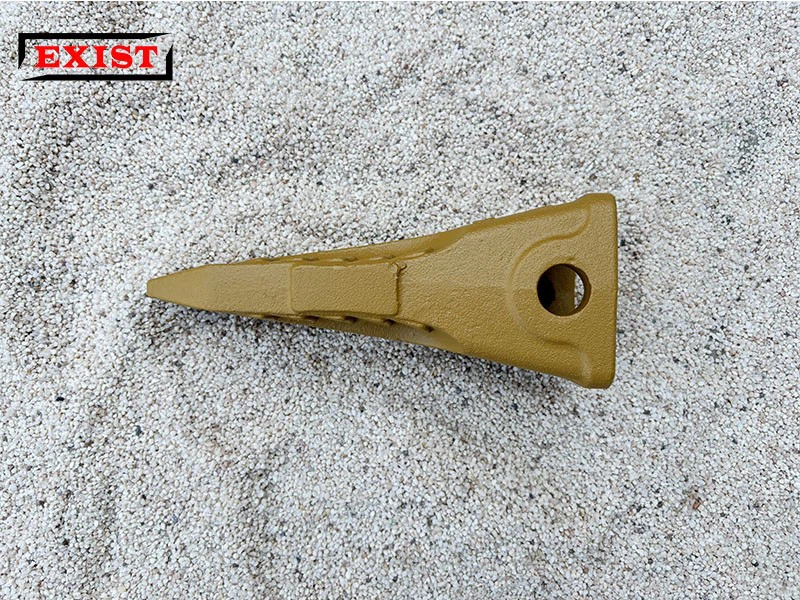

Moreover, the frequency of use matters. If an excavator is running 24/7, the bucket teeth will wear out faster compared to one that's used only a few hours a week. Also, how the operator uses the machine makes a difference. Aggressive digging, like ramming the bucket into the ground instead of a smooth penetration, can significantly shorten the lifespan of the teeth.
3. Quality of the Bucket Teeth
This is a no - brainer. Higher - quality bucket teeth are generally made from better materials and have a more advanced manufacturing process. They're designed to withstand more wear and tear. For instance, some of our top - of - the - line teeth are made from high - grade alloy steel that has been heat - treated to enhance its hardness and toughness.
When you choose a cheap, low - quality tooth, it might save you some money upfront, but you'll end up replacing it more often. In the long run, it could cost you more. So, it's always a good idea to invest in good - quality bucket teeth from a reliable supplier.
Average Lifespan Estimates
As I mentioned earlier, it's tough to give an exact number. But here are some rough estimates based on different scenarios:
- Soft Materials: In ideal conditions, when excavating soft materials like sand or silt, the bucket teeth can last anywhere from 2000 to 5000 hours. That's a long time! You could be using the same set of teeth for years if your work mainly involves this type of material.
- Medium - Hard Materials: For materials like clay or gravel, the lifespan drops to around 500 to 2000 hours. These materials are a bit more abrasive than sand, so the teeth will wear down faster.
- Hard Materials: When dealing with hard rock or concrete, the teeth might only last 100 to 500 hours. The constant impact and abrasion from these tough materials take a heavy toll on the teeth.
Extending the Lifespan of Digger Bucket Teeth
There are a few things you can do to make your bucket teeth last longer:
- Regular Maintenance: Keep the teeth clean and check them regularly for signs of wear. If you notice any chips or cracks, replace the teeth before they cause more damage. Lubricate the connection points between the teeth and the adapter to reduce friction.
- Proper Operation: Train your operators to use the excavator correctly. Smooth digging motions and avoiding unnecessary impacts will go a long way in preserving the teeth.
- Choose the Right Teeth for the Job: Don't use a tooth designed for soft materials when you're working with hard rock. Make sure you select the appropriate tooth for the specific material you're excavating.
Our Product Range
We offer a wide variety of digger bucket teeth to suit different needs. For example, the 1U3252 Caterpillar Bucket Point Backhoe Bucket Teeth are great for general - purpose digging. They're made from high - quality steel and are designed to provide a good balance between durability and performance.
If you're looking for something more heavy - duty, the 1U3252RC Tractor Bucket Teeth Cat Bucket Tip Excavator Teeth are a great choice. They're built to withstand the rigors of tough digging jobs, especially in hard materials.
And for those who need ripper teeth, our 1U3352WTL Ripper Teeth D8 D9 Komatsu Bulldozer Ripper Tooth are top - notch. They're designed to penetrate hard ground and break up tough formations.
Conclusion
So, to sum it up, the lifespan of digger bucket teeth can vary widely depending on the material being excavated, operating conditions, and the quality of the teeth. By understanding these factors and taking steps to extend the lifespan of your teeth, you can save money and keep your excavator running smoothly.
If you're in the market for high - quality digger bucket teeth, don't hesitate to get in touch. We're here to help you find the right teeth for your specific needs. Whether you're a small contractor or a large construction company, we've got the products and expertise to support you. Reach out to us for a quote or to discuss your requirements.
References
- Construction Equipment Handbook
- Journal of Heavy Machinery and Excavation Technology


