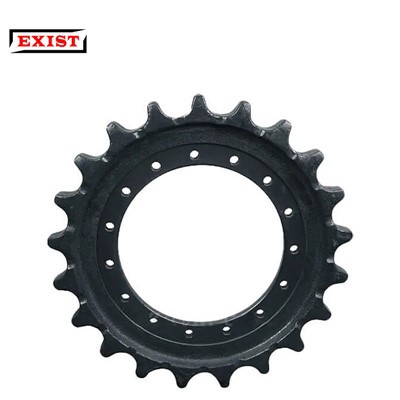
Heavy - load operation is a common scenario in many industrial and engineering applications where sprockets are widely used. As a sprocket supplier, I have witnessed firsthand how heavy - load operation can significantly impact the performance, lifespan, and overall quality of sprockets. In this blog, we will delve into the various ways heavy - load operation affects sprockets and discuss some strategies to mitigate these effects.
Wear and Tear
One of the most obvious impacts of heavy - load operation on sprockets is increased wear and tear. When a sprocket is subjected to heavy loads, the teeth of the sprocket experience greater stress and friction as they engage with the chain. This can lead to rapid wear of the sprocket teeth, causing them to become dull, chipped, or even break off.
The high - stress environment created by heavy loads can also cause micro - cracks to form on the surface of the sprocket teeth. Over time, these micro - cracks can propagate and lead to more severe damage, ultimately reducing the sprocket's ability to properly engage with the chain. As a result, the chain may slip, causing a loss of power transmission and potentially leading to equipment failure.
For example, in a mining operation where heavy - duty conveyor systems are used, the sprockets are constantly under heavy loads. The continuous movement of large amounts of ore and other materials places a significant strain on the sprockets, causing them to wear out much faster than in normal - load applications. This can result in frequent sprocket replacements, which not only increases maintenance costs but also leads to downtime for the equipment.
Fatigue and Fracture
Heavy - load operation can also lead to fatigue and fracture of the sprockets. Fatigue occurs when a sprocket is subjected to repeated loading and unloading cycles. Over time, the material of the sprocket can weaken, and small cracks can form at stress concentration points. These cracks can grow and eventually lead to the complete fracture of the sprocket.
The design and material of the sprocket play a crucial role in its resistance to fatigue. Sprockets made from high - quality materials with good fatigue properties are better able to withstand heavy - load operation. For instance, sprockets made from heat - treated alloy steels are often used in heavy - load applications because they have higher strength and better fatigue resistance compared to standard carbon steels.

In addition, the shape and geometry of the sprocket teeth can also affect its fatigue life. Sprockets with well - designed tooth profiles can distribute the load more evenly, reducing the stress concentration on individual teeth and thus increasing the sprocket's resistance to fatigue.
Heat Generation
Another consequence of heavy - load operation is the generation of heat. When a sprocket is under heavy loads, the friction between the sprocket teeth and the chain can generate a significant amount of heat. High temperatures can have several negative effects on the sprocket.
Firstly, excessive heat can cause the material of the sprocket to soften, reducing its hardness and strength. This can lead to increased wear and deformation of the sprocket teeth. Secondly, heat can also cause thermal expansion of the sprocket, which can affect the fit between the sprocket and the chain. If the thermal expansion is not properly accounted for, it can lead to misalignment and premature wear of the chain and sprocket.
To address the issue of heat generation, proper lubrication is essential. Lubricants can reduce friction between the sprocket and the chain, thereby reducing heat generation. Additionally, some sprockets are designed with cooling features, such as fins or channels, to dissipate heat more effectively.
Misalignment and Vibration
Heavy - load operation can also cause misalignment and vibration of the sprocket. When a sprocket is under heavy loads, it can cause the shaft on which it is mounted to deflect or bend. This can lead to misalignment between the sprocket and the chain, causing uneven wear on the sprocket teeth and the chain.
Vibration is another common problem associated with heavy - load operation. The high - stress environment can cause the sprocket to vibrate, which can further exacerbate the wear and tear of the sprocket and the chain. Vibration can also lead to noise and reduced efficiency of the power transmission system.
To minimize misalignment and vibration, proper installation and alignment of the sprocket are crucial. Regular maintenance and inspection of the sprocket and the associated equipment can also help detect and correct any misalignment or vibration issues before they cause significant damage.
Mitigation Strategies
As a sprocket supplier, I understand the importance of providing solutions to mitigate the effects of heavy - load operation on sprockets. Here are some strategies that can be employed:
- Material Selection: Choose high - quality materials with good strength, hardness, and fatigue resistance. Heat - treated alloy steels are often a good choice for heavy - load applications.
- Proper Design: Design sprockets with tooth profiles that can distribute the load evenly and reduce stress concentration. Consider using sprockets with cooling features to dissipate heat.
- Lubrication: Ensure proper lubrication of the sprocket and the chain to reduce friction and heat generation. Use high - quality lubricants that are suitable for heavy - load applications.
- Regular Maintenance: Implement a regular maintenance schedule to inspect the sprocket for wear, misalignment, and other issues. Replace worn - out sprockets in a timely manner to prevent further damage.
Product Recommendation
If you are in need of sprockets for heavy - load applications, I would like to recommend our 20Y - 27 - 11581 Komatsu Excavator Sprocket Pc200 Sprocket. This sprocket is specifically designed to withstand heavy loads and is made from high - quality materials. It has been tested and proven to provide reliable performance in demanding environments.
Conclusion
Heavy - load operation can have a significant impact on sprockets, including increased wear and tear, fatigue and fracture, heat generation, misalignment, and vibration. However, by understanding these effects and implementing appropriate mitigation strategies, it is possible to extend the lifespan of sprockets and ensure the reliable operation of power transmission systems.
If you have any questions about sprockets or need assistance in selecting the right sprocket for your heavy - load application, please feel free to contact us. We are here to help you find the best solution for your needs.
References
- Machinery's Handbook, 31st Edition
- ASME Standards for Power Transmission Components
- ISO Standards for Sprockets and Chains