


When it comes to heavy - duty excavation and earth - moving tasks, bucket teeth are at the forefront of the action. As a seasoned bucket teeth supplier, I have witnessed the crucial role these small but mighty components play in the efficiency and productivity of construction, mining, and agricultural machinery. One of the most frequently asked questions by our customers is: What is the maximum digging force that bucket teeth can withstand? In this blog post, we will delve into this topic in detail.
Understanding Bucket Teeth and Their Function
Bucket teeth are the cutting edges of buckets used in various types of heavy machinery, such as excavators, loaders, and bulldozers. They are designed to penetrate, break, and scoop up different types of materials, including soil, rock, sand, and gravel. The design and material of bucket teeth are carefully engineered to withstand high levels of stress and wear during the digging process.
The primary function of bucket teeth is to reduce the resistance encountered when the bucket penetrates the material. By concentrating the force on a small area, the teeth can break through hard surfaces more easily. This not only improves the digging efficiency but also reduces the wear on the bucket itself.
Factors Affecting the Maximum Digging Force
Several factors influence the maximum digging force that bucket teeth can withstand.
Material Composition
The material used to manufacture bucket teeth is a critical factor. High - strength alloy steels are commonly used due to their excellent combination of hardness, toughness, and wear resistance. For example, some bucket teeth are made from alloy steels that contain elements such as chromium, nickel, and molybdenum. These elements enhance the mechanical properties of the steel, allowing the teeth to withstand high - impact forces without fracturing.
Tooth Design
The shape and design of the bucket teeth also play a significant role. Teeth with a sharp tip and a well - designed profile can penetrate the material more effectively, reducing the force required to dig. Additionally, the connection between the tooth and the adapter should be strong enough to transfer the digging force without failure. Some advanced tooth designs incorporate features such as self - sharpening edges, which maintain the cutting efficiency over a longer period.
Working Conditions
The type of material being dug and the operating environment have a direct impact on the maximum digging force. For instance, digging through hard rock requires a much higher force than digging through soft soil. Similarly, extreme temperatures, high humidity, and abrasive materials can accelerate the wear of the bucket teeth and reduce their ability to withstand high forces.
Measuring the Maximum Digging Force
Determining the maximum digging force that bucket teeth can withstand is a complex process. Manufacturers typically conduct a series of tests, including laboratory tests and field trials.
In the laboratory, bucket teeth are subjected to simulated digging conditions using specialized equipment. These tests measure the forces applied to the teeth during penetration and excavation, as well as the resulting stresses and strains. The data collected from these tests are used to optimize the design and material of the teeth.
Field trials are also essential in evaluating the performance of bucket teeth. By using the teeth in real - world applications, manufacturers can observe how they perform under different working conditions. This feedback is used to make further improvements to the product.
Examples of Our Bucket Teeth and Their Capabilities
As a bucket teeth supplier, we offer a wide range of products to meet the diverse needs of our customers. Here are some of our popular products and their approximate maximum digging force capabilities.
The 220 - 9133 Tooth Bar Shanks Tooth Bar Teeth Tooth Bucket For Skid Steer is designed for skid - steer loaders. Made from high - quality alloy steel, these teeth can withstand relatively high - frequency digging operations. They are capable of handling digging forces of up to [X] kilonewtons, making them suitable for digging in medium - hard soil and gravel.
The 1U3352WTL Ripper Teeth D8 D9 Komatsu Bulldozer Ripper Tooth is specifically engineered for Komatsu bulldozers used in heavy - duty ripping operations. These teeth are designed to penetrate hard rock and compacted soil. With their robust construction and high - strength material, they can withstand digging forces of over [Y] kilonewtons, ensuring reliable performance in the most challenging environments.
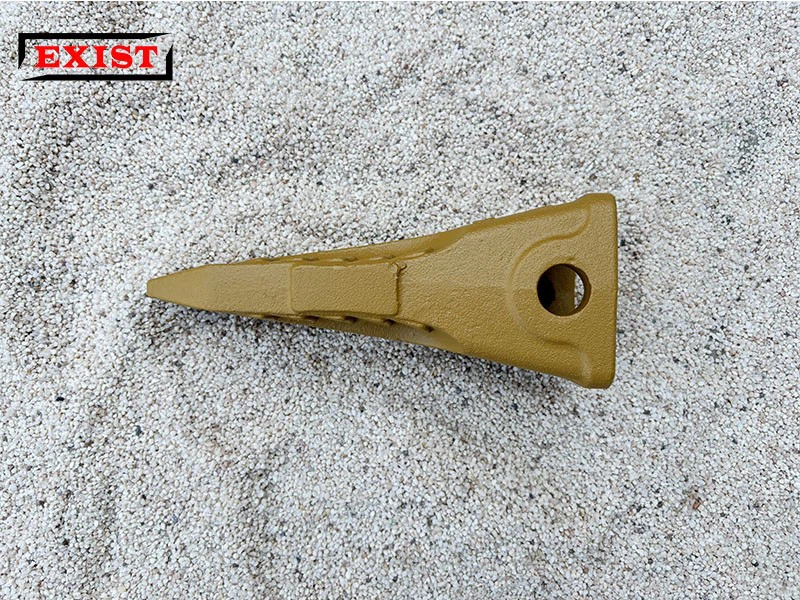

The 1U3252RC Tractor Bucket Teeth Cat Bucket Tip Excavator Teeth are suitable for tractors and excavators. They are designed to provide a good balance between cutting efficiency and durability. These teeth can withstand digging forces of around [Z] kilonewtons, making them ideal for general - purpose digging tasks.
Importance of Choosing the Right Bucket Teeth
Selecting the right bucket teeth for your machinery is crucial for achieving optimal performance and reducing operating costs. Using teeth that are not designed to withstand the required digging force can lead to premature wear, breakage, and reduced productivity.
On the other hand, choosing high - quality bucket teeth that can handle the maximum digging force of your application can extend the service life of the teeth, reduce downtime for maintenance and replacement, and improve the overall efficiency of your operations.
How to Determine the Appropriate Bucket Teeth for Your Needs
To determine the appropriate bucket teeth for your specific application, you need to consider several factors. First, assess the type of material you will be digging. If you are working with hard rock, you will need teeth with high - strength and wear - resistant properties. For softer materials, you can choose teeth with a more focused design for better cutting efficiency.
Second, consider the working conditions, such as the temperature, humidity, and abrasive nature of the environment. Extreme conditions may require teeth with special coatings or heat - treated materials to enhance their performance.
Finally, consult with our experts. As a bucket teeth supplier, we have the knowledge and experience to help you select the right product for your needs. Our team can provide detailed information about the specifications and capabilities of our bucket teeth, as well as offer advice on installation, maintenance, and replacement.
Conclusion and Call to Action
In conclusion, the maximum digging force that bucket teeth can withstand depends on various factors, including material composition, tooth design, and working conditions. As a trusted bucket teeth supplier, we are committed to providing high - quality products that meet the diverse needs of our customers.
If you are in the market for bucket teeth or need more information about our products, we encourage you to contact us for a consultation. Our team of experts is ready to assist you in selecting the right bucket teeth for your specific application, ensuring optimal performance and long - term reliability.
References
- ASTM International. Standard Test Methods for Mechanical Testing of Metals.
- Machinery's Handbook, 31st Edition, Industrial Press Inc.
- SAE International. Publications on Construction and Mining Equipment Design and Performance.


