Hey there! As a supplier of Dozer Ripper Teeth, I often get asked about the installation tools required for these bad boys. So, I thought I'd put together a blog post to share all the details with you.
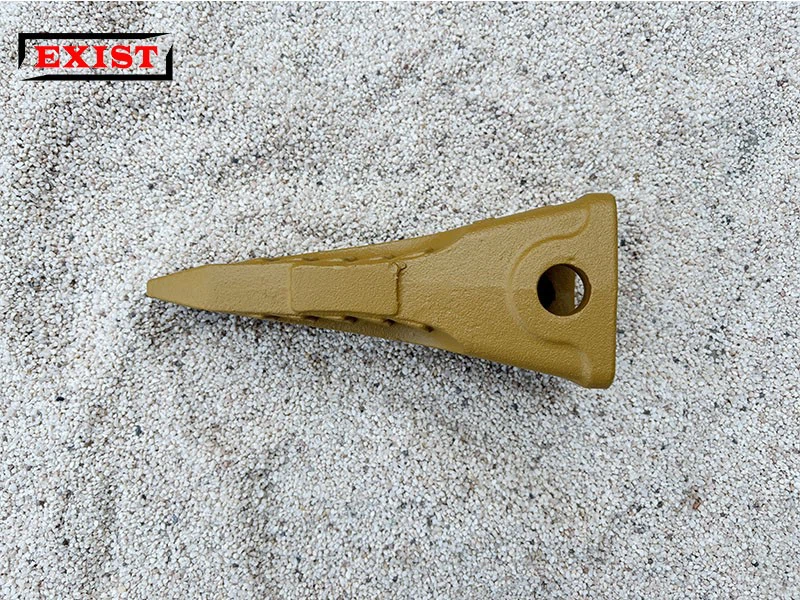
First off, let's understand what Dozer Ripper Teeth are. They're those tough, pointy attachments on a dozer's ripper that help break up hard soil, rock, and other tough materials. Installing them properly is crucial for the dozer's performance and the longevity of the teeth themselves.

Wrenches and Socket Sets
One of the most basic but essential tools you'll need is a set of wrenches and socket sets. These come in handy for loosening and tightening the bolts that hold the ripper teeth in place. You'll want to have a variety of sizes to fit different bolt diameters. A good-quality combination wrench set with both open-ended and box-ended wrenches is a great start. And don't forget a socket set with a ratchet handle. This makes it easier to work in tight spaces and allows for more precise torque application. For example, when installing the 1U3352RC Caterpillar Skid Steer Bucket Teeth Loader Bucket Teeth [/bucket-teeth-adapter/bucket-teeth/1u3352rc-caterpillar-skid-steer-bucket-teeth.html], you'll need the right-sized wrenches to secure them firmly.
Torque Wrench
A torque wrench is a must-have tool for proper installation. It allows you to apply the correct amount of torque to the bolts, ensuring that they're tightened to the manufacturer's specifications. Over-tightening can damage the teeth or the mounting surface, while under-tightening can cause the teeth to come loose during operation, which is a serious safety hazard. When working with Dozer Ripper Teeth, make sure you follow the recommended torque values provided by the manufacturer. This will help prevent premature wear and tear and keep your equipment running smoothly.
Impact Wrench
An impact wrench can save you a lot of time and effort, especially when dealing with stubborn bolts. It uses a high-torque, rapid-impact motion to loosen or tighten bolts quickly. This is particularly useful if the bolts have been in place for a long time and have become rusted or seized. However, be careful when using an impact wrench, as too much force can damage the teeth or the mounting hardware. It's best to use it in combination with a torque wrench to ensure proper tightening. For instance, when installing the 1U3252RC Tractor Bucket Teeth Cat Bucket Tip Excavator Teeth [/bucket-teeth-adapter/bucket-teeth/1u3252rc-tractor-bucket-teeth-cat-bucket-tip.html], an impact wrench can help you get the job done faster.
Hammer and Chisel
A hammer and chisel can be useful for some installation tasks. For example, if there's any debris or rust on the mounting surface, you can use a chisel to clean it off. A hammer can then be used to tap the teeth into place or to gently adjust their position. Just be careful not to damage the teeth or the mounting surface with excessive force.
Lubricant
Using a good-quality lubricant is important for the installation process. It helps reduce friction between the bolts and the mounting holes, making it easier to install and remove the teeth. It also helps prevent corrosion and rust, which can cause the bolts to seize over time. Apply the lubricant to the bolts and the threads before installation to ensure smooth operation.
Safety Equipment
Safety should always be a top priority when working with heavy equipment and tools. Make sure you wear appropriate safety gear, such as safety glasses, gloves, and steel-toed boots. These will protect you from any potential hazards, such as flying debris or accidental tool slips.
Puller Tool
In some cases, you may need a puller tool to remove the old ripper teeth. This is especially true if the teeth are stuck or have been in place for a long time. A puller tool can help you safely and effectively remove the teeth without causing damage to the ripper or the mounting hardware.
Measuring Tools
Measuring tools, such as a caliper or a ruler, can be useful for checking the dimensions of the teeth and the mounting hardware. This ensures that everything fits properly and that the teeth are installed at the correct angle. For example, when installing the 220 - 9133 Tooth Bar Shanks Tooth Bar Teeth Tooth Bucket For Skid Steer [/bucket-teeth-adapter/bucket-teeth/220-9133-tooth-bar-shanks-tooth-bar-teeth.html], you'll want to make sure the teeth are the right size and spacing.
Now that you know all the tools you need for installing Dozer Ripper Teeth, it's important to remember that proper installation is key to getting the most out of your equipment. Using the right tools and following the manufacturer's instructions will ensure that your ripper teeth are installed correctly and will perform at their best.
If you're in the market for high-quality Dozer Ripper Teeth or have any questions about the installation process, feel free to reach out. We're here to help you find the right products for your needs and provide you with all the support you need. Whether you're a professional contractor or a DIY enthusiast, we've got you covered. So, don't hesitate to contact us for more information and to start the procurement process.
References
- Manufacturer's manuals for Dozer Ripper Teeth
- Industry best practices for heavy equipment installation and maintenance